

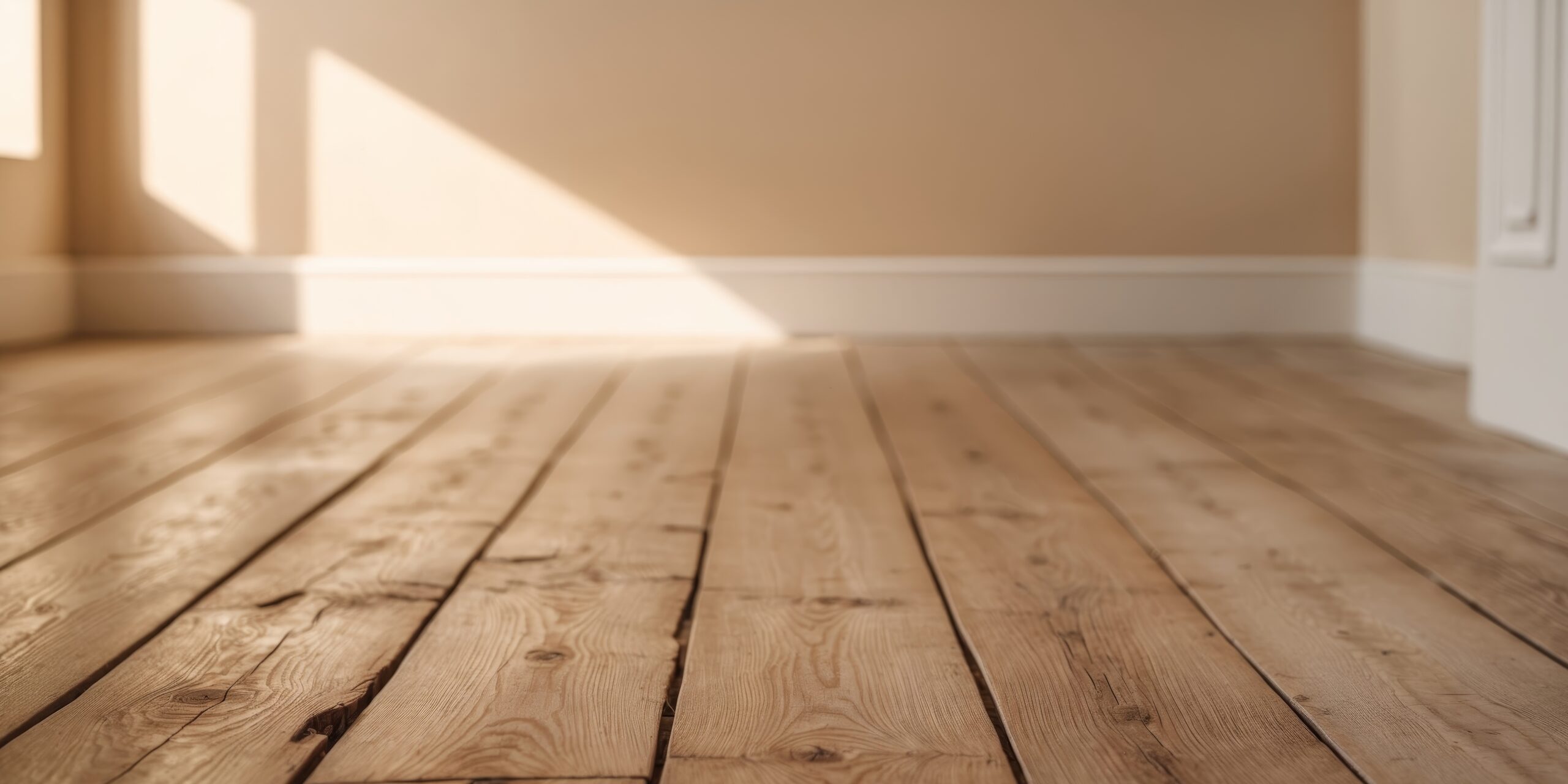
Sagging floors in Battle Ground WA are often caused by problems beneath the home rather than by the flooring itself. Excess crawl space moisture, dry rot, failing posts and beams, poor drainage, damaged vapor barriers, wet insulation, soil movement, and hidden plumbing leaks can all affect the structure supporting the floor above.
Battle Ground homes are exposed to Pacific Northwest rain, seasonal moisture, and damp crawl space conditions that can contribute to wood deterioration and structural movement over time.
Advanced Waterproofing helps homeowners throughout Battle Ground and nearby Southwest Washington communities identify crawl space moisture and structural problems before they become larger repairs.
Table of Contents
Why Sagging Floors in Battle Ground, WA Are a Concern
Battle Ground homes face environmental conditions that can be particularly hard on crawl spaces.
The Pacific Northwest’s wet seasons can leave soil around and underneath homes saturated for extended periods. Clay-rich soils can also hold moisture and expand when wet before contracting as conditions become drier. When drainage around a foundation is inadequate, moisture may remain underneath a house and contribute to high humidity, wood deterioration, mold, and structural movement.
Homes near Battle Ground Lake State Park, the SR-503 corridor, Lewisville Regional Park, Kiwanis Park, and the rural properties surrounding Battle Ground can have very different layouts and drainage conditions. However, one principle remains the same: a crawl space needs effective moisture management and dependable structural support.
Sagging floors are often one of the first symptoms homeowners notice when something below is no longer functioning correctly.
Seven Crawl Space Problems That Can Cause Sagging Floors
Excess Moisture Beneath the Home
Moisture is one of the biggest threats to a crawl space.
Water can enter or accumulate beneath a Battle Ground home because of poor grading, inadequate drainage, plumbing leaks, groundwater, foundation cracks, clogged gutters, short downspouts, or exposed crawl space soil.
Even when there is no visible standing water, excessive humidity can create problems.
Wooden joists, beams, posts, and subfloor materials are not designed to remain chronically damp. Continued exposure can gradually weaken structural components.
Homeowners can also review the EPA’s guidance on mold and moisture control to understand why managing damp conditions is important for protecting building materials.
Homeowners may eventually notice:
- Floors that bounce when walked across
- Low areas near interior walls
- Musty odors
- Damp crawl space insulation
- Condensation
- Mold or mildew
- Wood discoloration
- Doors that no longer close properly
Simply repairing the floor above does not solve a moisture problem underneath it. The source of the moisture must also be identified and controlled.
Dry Rot and Deteriorating Floor Joists
Floor joists form a major part of the structural system supporting your floors. When those joists become damaged, the floor above can begin losing rigidity.
Moisture-related wood decay is particularly concerning because damage may progress unnoticed inside a dark crawl space.
A homeowner might initially notice a small soft spot near a kitchen, bathroom, exterior wall, or another moisture-prone area. Over time, the affected section can become increasingly uneven.
Dry rot and structural deterioration may affect:
- Floor joists
- Rim joists
- Support beams
- Subflooring
- Wooden posts
- Other framing components
The appropriate repair depends on how much of the structural member has been compromised. Some situations may require reinforcement, while severely deteriorated materials may need replacement.
The critical part is addressing both the damaged wood and whatever moisture condition caused the deterioration.
Failing Crawl Space Posts and Beams
Many homes with crawl spaces depend on posts and beams to transfer the weight of the house to the foundation and supporting footings below.
When a post deteriorates, shifts, sinks, or loses proper contact with the beam above it, the floor system may begin settling.
A weakened beam can create similar problems across a larger section of the home.
Signs of post-and-beam trouble may include:
- Sagging floors
- Bouncy or shaky flooring
- Gaps between floors and baseboards
- Interior drywall cracks
- Sticking doors
- Sticking windows
- Visible leaning or deteriorated posts
- Cracked or damaged beams
These problems should not simply be hidden with flooring material or cosmetic repairs.
Advanced Waterproofing provides structural solutions including post and beam replacement for Southwest Washington homes. When moisture has contributed to structural deterioration, correcting the moisture source is an important part of helping protect replacement materials.
Poor Crawl Space Drainage
Water does not have to enter the living area to cause damage.
If water collects underneath your house every rainy season, the crawl space can remain damp long after the weather improves.
Battle Ground’s seasonal rainfall and moisture-retaining soils make drainage particularly important. Properties with low spots, poor grading, runoff from surrounding land, or inadequate exterior drainage may experience recurring crawl space moisture.
Depending on the property, a comprehensive moisture-control strategy may involve solutions such as:
French Drain Installation
A properly designed drainage system can redirect water away from vulnerable portions of the home.
Sump Pump Installation
Where water regularly accumulates beneath or around a structure, a sump pump can help collect and discharge that water.
Crawl Space Vapor Barrier
A heavy-duty vapor barrier helps separate the crawl space from moisture evaporating out of exposed soil.
Crawl Space Encapsulation
More comprehensive encapsulation can help control humidity and create a cleaner, more manageable environment beneath the house.
The correct solution depends on where the water originates, which is why professional evaluation matters.
Damaged or Missing Crawl Space Vapor Barriers
A crawl space may look relatively dry while still experiencing significant moisture vapor.
Exposed soil naturally releases moisture into the air. Without an effective vapor barrier, that moisture can increase crawl space humidity and expose wooden structural components to persistently damp conditions.
Older vapor barriers can also become:
- Torn
- Displaced
- Poorly sealed
- Contaminated
- Too small to cover the entire crawl space
- Damaged during previous utility work
Replacing or upgrading the vapor barrier can be an important component of crawl space moisture control.
For homeowners near downtown Battle Ground, Battle Ground Lake, Daybreak, Lewisville, or the rural areas surrounding North Clark County, controlling ground moisture can help protect the structural components supporting the home.
Wet or Failing Crawl Space Insulation
Insulation is another part of the crawl space that homeowners frequently overlook.
When crawl space insulation becomes wet, compressed, contaminated, or detached, it may no longer perform properly. Wet insulation can also hold moisture close to wooden framing.
You may notice insulation hanging down between joists or lying on the crawl space floor.
This can indicate a larger humidity or moisture problem.
Crawl space insulation issues can contribute to uncomfortable floors, energy loss, moisture retention, and conditions that accelerate deterioration of surrounding materials.
Advanced Waterproofing offers insulation installation along with crawl space repair and moisture-control services, allowing the underlying crawl space environment to be addressed rather than simply replacing damaged insulation.
Soil Movement and Settling Supports
Not every sagging floor begins with rotting wood.
The soil supporting crawl space footings and structural components can also move.
Wet soil can behave differently than dry soil. Seasonal saturation, expansive clay, poor drainage, and repeated wet-dry cycles can contribute to movement beneath a foundation or crawl space support.
If a footing settles even slightly, the post sitting on that footing may drop with it. The beam above can then settle, followed by the joists and eventually the finished floor.
This chain reaction can create a noticeable low area inside the house.
This is why homeowners should avoid assuming that simply adding a new support post will permanently correct a sagging floor. The underlying reason for the movement needs to be determined first.
Plumbing Leaks and HVAC Problems Inside the Crawl Space
Sometimes the source of crawl space moisture is not groundwater or rain at all.
A leaking plumbing line can continuously introduce water beneath the home.
HVAC ductwork can also become damaged, disconnected, or improperly insulated. Although duct problems do not necessarily cause structural sagging on their own, they can contribute to crawl space temperature and moisture issues while reducing energy efficiency.
During a crawl space inspection, the entire environment should be evaluated instead of focusing only on the visibly sagging portion of the floor.
Catching a hidden leak early may prevent a much larger structural repair later.
Warning Signs Your Sagging Floors Need Professional Attention
A slightly uneven floor does not automatically mean your home has major structural damage. Older houses can have some natural variation.
However, changes should not be ignored.
Schedule an inspection if you notice multiple symptoms such as uneven flooring, increasing bounce, cracks above doors or windows, gaps near baseboards, musty odors, persistent crawl space moisture, visible wood deterioration, or doors that suddenly begin sticking.
The combination of symptoms can provide valuable clues about what is happening beneath the home.
Pay Attention to Changes Over Time
A floor that has always had a slight slope is different from a floor that has noticeably changed during the past year.
Progressive movement deserves attention.
Taking photographs, noting crack locations, and monitoring doors and floors can help you recognize whether the condition is worsening.
Can Sagging Floors Be Repaired?
In many situations, yes.
The appropriate repair depends on what caused the sagging and how much damage has occurred.
Potential solutions can include:
- Replacing deteriorated posts
- Replacing or reinforcing beams
- Repairing damaged joists
- Correcting crawl space moisture
- Installing vapor barriers
- Crawl space encapsulation
- Improving drainage
- Installing French drains
- Adding a sump pump
- Repairing foundation water intrusion
- Replacing damaged insulation
Structural repairs and moisture control frequently need to work together.
Replacing a rotted support without addressing the water that caused the rot may allow the same problem to return.
Likewise, waterproofing a crawl space does not automatically restore wood that has already lost structural strength.
A long-term solution addresses both sides of the problem.
Crawl Space Repair for Battle Ground and Surrounding Communities
Advanced Waterproofing serves homeowners throughout Battle Ground and Southwest Washington.
In addition to Battle Ground, service areas include nearby communities such as Ridgefield, La Center, Woodland, Vancouver, Camas, and Washougal, as well as communities farther north including Kalama, Kelso, Longview, and Castle Rock.
Local experience matters because moisture problems can vary significantly from one property to another.
A wooded property near Battle Ground Lake may experience different drainage and humidity conditions than a newer home closer to SR-503. A rural property toward Hockinson may have different grading concerns than a home near downtown Battle Ground or Kiwanis Park.
The solution should be based on the property—not a generic repair package.
Why Choose Advanced Waterproofing for Crawl Space Repair in Battle Ground, WA?
With over 10 years of experience in the waterproofing industry, Advanced Waterproofing understands how moisture can affect foundations, crawl spaces, and structural components throughout Southwest Washington.
Services available for homeowners dealing with moisture and structural problems include crawl space repair, basement waterproofing, foundation waterproofing, French drain installation, sump pump systems, post and beam replacement, dry rot repair, insulation installation, and HVAC ductwork repair.
This comprehensive approach is especially valuable when sagging floors involve more than one problem.
For example, a home might have a deteriorated support beam, but the beam may have deteriorated because standing water repeatedly enters the crawl space. Fixing only the beam leaves the source of the damage untouched.
The objective should be to determine why the floor is sagging, repair compromised structural components when necessary, and reduce the conditions that could cause the problem to return.
Protect Your Battle Ground Home From the Ground Up
Sagging floors are more than an inconvenience. They can be your home’s way of signaling that something underneath needs attention.
Whether the cause is crawl space moisture, dry rot, failing posts and beams, inadequate drainage, damaged insulation, shifting soil, or a hidden leak, early evaluation can help prevent additional deterioration.
Battle Ground’s wet Pacific Northwest environment makes crawl space maintenance especially important. Keeping the space beneath your home dry and structurally sound helps protect everything above it.
If you have noticed uneven, soft, or bouncy floors in your Battle Ground home, Advanced Waterproofing can inspect the crawl space, identify potential moisture and structural concerns, and recommend solutions based on the actual conditions beneath your property.
From homes around Battle Ground Lake State Park and Lewisville Regional Park to neighborhoods near Kiwanis Park, SR-503, Ridgefield, La Center, Woodland, Vancouver, Camas, and surrounding Southwest Washington communities, Advanced Waterproofing provides local crawl space and waterproofing solutions designed for Pacific Northwest conditions.
Frequently Asked Questions About Sagging Floors and Crawl Spaces in Battle Ground, WA
Why are the floors in my Battle Ground home sagging?
Common causes include moisture-damaged floor joists, deteriorated posts or beams, settling supports, drainage problems, dry rot, and soil movement beneath crawl space footings. An inspection can help determine which issue is responsible.
Does crawl space moisture cause sagging floors?
It can. Long-term moisture exposure may contribute to wood decay in joists, beams, posts, and subfloor materials. As those structural components weaken, the flooring above may begin to sag or feel bouncy.
How do I know if my crawl space has dry rot?
Possible signs include soft or deteriorated wood, discoloration, musty odors, sagging floors, cracking interior finishes, and visible damage to posts or beams. Because crawl spaces are difficult to inspect safely, professional evaluation is often the best way to determine the extent of deterioration.
Can a vapor barrier fix sagging floors?
A vapor barrier can be an important part of controlling crawl space moisture, but it does not repair structural wood that has already deteriorated. If joists, beams, or posts are damaged, structural repairs may also be necessary.
Will a sump pump help my Battle Ground crawl space?
A sump pump may be appropriate when water collects in or around the crawl space. However, the drainage system should be designed around the specific source and volume of water affecting the property.
Should I worry about bouncy floors?
A bouncy floor can indicate inadequate support, weakened joists, failing posts or beams, or another structural issue. If the condition is new or becoming worse, schedule an inspection rather than waiting for the movement to become more pronounced.
What other signs indicate crawl space structural problems?
Watch for sticking doors and windows, drywall cracks, gaps between floors and walls, musty odors, visible standing water, deteriorated wood, falling insulation, and floors that slope toward a particular section of the home.
What areas does Advanced Waterproofing serve near Battle Ground?
Advanced Waterproofing serves Battle Ground and surrounding Southwest Washington communities, including Ridgefield, La Center, Woodland, Vancouver, Camas, Washougal, Kalama, Kelso, Longview, Castle Rock, and other nearby areas.
Schedule a Crawl Space Inspection in Battle Ground, WA
If your floors are sagging, bouncing, or becoming uneven, do not assume replacing the flooring will solve the problem.
The real issue may be underneath your home.
Advanced Waterproofing brings over 10 years of waterproofing industry experience to crawl space moisture control, structural repair, drainage, post and beam replacement, foundation waterproofing, sump pumps, French drains, dry rot repair, insulation, and related solutions throughout Southwest Washington.
Schedule an inspection to determine what is causing your sagging floors and what can be done to protect your Battle Ground, WA home from the ground up.