

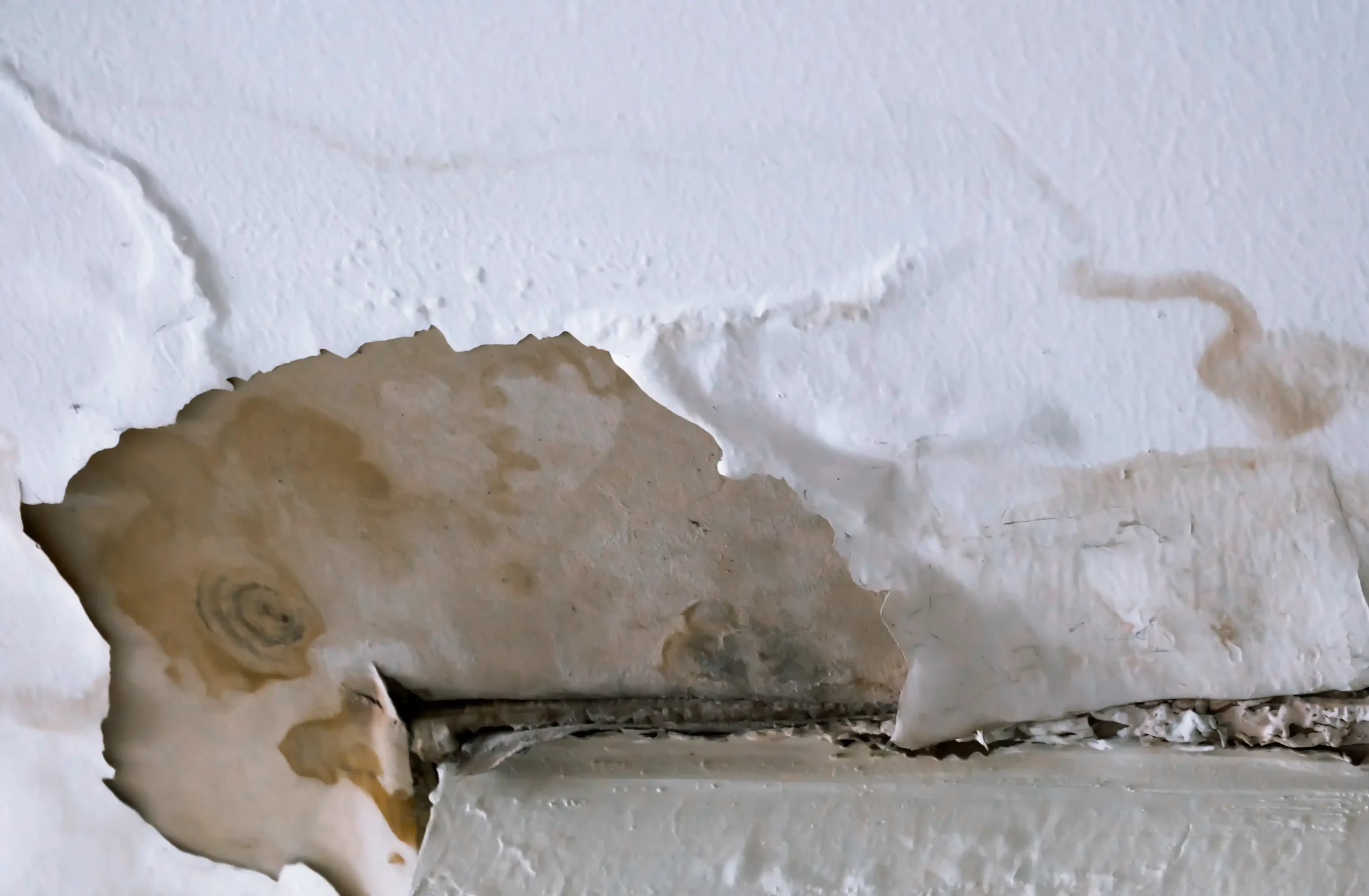
Dealing with active basement wall seepage is a homeowner’s nightmare, especially during relentless Pacific Northwest downpours. What starts as faint moisture patches on porous concrete can rapidly trigger structural rot and indoor air hazards, which the EPA warns can spur rapid mold growth within 48 hours. As explored throughout our home waterproofing blog, ignoring subsurface water pressure only leads to costly long-term foundation repairs.
For homeowners in Toledo, WA, basement water intrusion is a seasonal reality. Sitting in the Cowlitz River Valley with the Cowlitz River along its eastern edge, Toledo faces heavy Pacific Northwest rainfall, saturated clay and valley soils, and elevated groundwater tables from October through April.
At Advanced Waterproofing, we bring more than 10 years of waterproofing experience to homeowners across Toledo and South Lewis County. Rather than masking damp walls with temporary coatings, a lasting fix starts by identifying why water is reaching your foundation in the first place.
If you have spotted dark damp patches, chalky white residue, peeling paint, or active trickles on your basement walls, here are the seven most common causes—and how to stop each one.
Why Basement Wall Seepage Is So Common in Toledo, WA
Basement leaks rarely stem from a single issue. When weeks of Southwest Washington rain saturate the soil around your home, that trapped water has to go somewhere. Poor lot grading, overflowing gutters, clogged footing drains, or an undersized sump pump allow water to pool directly against your foundation.
As water builds up in the surrounding soil, pressure pushes moisture inward through hairline cracks, wall-to-floor joints, utility penetrations, and porous concrete.
Drainage conditions also shift dramatically across the Toledo area. A historic home near downtown and the Cowlitz River corridor deals with very different groundwater behavior than rural acreage off State Route 505 or sloped properties toward Winlock, Vader, and Castle Rock. That is why effective basement waterproofing in Toledo, WA always begins with an on-site property evaluation rather than a one-size-fits-all patch.
7 Causes of Water Seeping Through Basement Walls (and How to Stop It)
1. Hydrostatic Pressure Building Against Your Foundation
Hydrostatic pressure is the number-one driver of basement wall seepage. During prolonged rain, soil around your foundation becomes waterlogged and heavy, pressing outward and inward against below-grade walls. Water naturally forces its way through the path of least resistance.
Common warning signs:
- Damp spots on concrete that expand after multi-day storms
- Water seeping along the bottom edge of basement walls
- Chalky white mineral deposits (efflorescence)
- Bubbling or peeling masonry paint
- Persistent musty odors
How to stop it: Interior waterproof paint will not hold back hydrostatic pressure—water will simply push behind the coating and blister it off. Stopping it requires relieving the water pressure outside or beneath the slab through exterior foundation waterproofing, footing drainage improvements, or an interior perimeter drain connected to a sump pump.
2. Foundation Cracks Letting Groundwater Inside
Even a narrow hairline crack becomes an open channel once the soil outside is saturated. Many Toledo homeowners notice their basement stays completely dry all summer, only for water to trickle through the same wall crack every winter.
While minor shrinkage cracks are common in poured concrete, horizontal cracks, stair-step cracks in block walls, or cracks accompanied by wall bowing point to structural soil pressure.
How to stop it: Sealing the inside face of a leaking crack without managing exterior groundwater often forces water to find a new entry point nearby. A lasting repair pairs professional crack injection or structural reinforcement with drainage corrections that keep water from pooling against the wall.
3. Poor Exterior Grading Sending Runoff Toward the House
Look at how rainwater moves across your yard during a storm. If the ground slopes toward your foundation—or has settled into low pockets along the perimeter—rainwater drains directly into the backfill soil beside your basement walls.
Properties with larger acreage around Toledo face an added challenge: surface runoff can travel across wide stretches of pasture or sloped terrain before collecting against the foundation.
How to stop it: Regrading soil so it slopes away from the foundation (at least 6 inches of drop over the first 10 feet) stops surface pooling at the source. Where yard slope or high water tables prevent natural runoff, custom French drain installation intercepts groundwater before it ever reaches your basement walls.
4. Overflowing Gutters and Short Downspouts
A 1,500-square-foot roof sheds nearly 1,000 gallons of water during a single inch of rain. When gutters clog with pine needles and leaves—or when downspouts dump water right beside the foundation—every storm saturates the exact soil zone protecting your basement.
What to check outside:
- Water spilling over gutter edges during rain
- Disconnected or crushed downspout elbows
- Mulch or soil erosion directly beneath downspout outlets
- Downspouts terminating less than 6 to 10 feet from the foundation
How to stop it: Clean gutters regularly, seal leaking seams, and extend downspouts well away from the house or tie them into buried solid drain lines that discharge safely downhill.
5. Seepage at the Cove Joint (Where the Wall Meets the Floor)
Homeowners often assume their basement wall is leaking when water is actually entering through the cove joint—the narrow seam where the vertical foundation wall meets the concrete floor slab. When groundwater rises beneath the home after heavy rain, upward pressure forces water through this joint first.
How to stop it: Because cove-joint seepage is driven by rising sub-slab groundwater, surface sealants rarely hold. Installing an interior sub-floor perimeter drainage channel along the footing captures rising water at the joint and directs it straight into a sump basin before it reaches your basement floor.
6. An Undersized, Aging, or Failing Sump Pump
If your home relies on a sump pump, it works hardest during the exact storms most likely to knock out power or overwhelm older equipment. A pump that is worn out, undersized for heavy winter inflow, or connected to a blocked discharge line leaves your basement defenseless.
Signs your sump system needs attention:
- The pump runs continuously without lowering the pit level
- Grinding, rattling, or short-cycling noises
- Standing water around the sump basin
- Water entering other areas of the basement while the pump is running
- No battery backup protection during storm power outages
How to stop it: Upgrade to a properly sized cast-iron primary pump paired with a dedicated battery backup system and an unobstructed freeze-protected discharge line. Explore our sump pump installation options to make sure your system is matched to your home’s inflow volume.
7. Porous or Aging Concrete and Masonry Foundations
Older homes across Toledo and South Lewis County frequently have aging concrete or block foundations whose original exterior damp-proofing has broken down over decades. Even without a visible crack, moisture wicks slowly through porous masonry, leaving walls permanently dark, clammy, or coated in white efflorescence.
How to stop it: Efflorescence is a mineral salt deposit rather than mold, but it confirms active moisture movement through your wall. Depending on access and foundation type, a combination of vapor-barrier wall panels, interior drainage, and exterior waterproofing stops moisture from migrating into your living or storage space.
Why You Shouldn’t Ignore a Damp Basement
Minor dampness rarely dries out for good on its own. Left unaddressed, recurring basement moisture raises indoor humidity, ruins drywall and flooring, and saturates wooden sill plates, joists, posts, and beams—creating ideal conditions for fungal decay and structural wood rot.
Catching moisture early is almost always simpler and more affordable than repairing structural framing later. If moisture has already softened wooden supports, our team also handles dry rot repair and structural post-and-beam restoration alongside waterproofing.
How Advanced Waterproofing Stops Basement Water Permanently
Because soil depth, foundation construction, and runoff patterns vary from property to property, we tailor every repair to how water actually moves around your home:
- Basement & Foundation Waterproofing: Interior and exterior moisture barriers engineered to stop wall seepage and relieve hydrostatic pressure.
- French Drain Installation: Subsurface perimeter and yard drainage systems that intercept groundwater and runoff before it reaches your foundation.
- Sump Pump Installation: High-capacity primary and battery-backup sump systems built for heavy Pacific Northwest storm cycles.
- Foundation Crack Repair: Targeted sealing and structural stabilization for leaking wall cracks.
- Crawlspace Repair & Encapsulation: Drainage, vapor barriers, insulation, and structural wood repair for homes with adjacent or split-level crawlspaces.
Serving Toledo and Surrounding Southwest Washington Communities
Based nearby in Castle Rock, Advanced Waterproofing serves homeowners throughout Lewis, Cowlitz, and Clark counties—including Toledo, Winlock, Vader, Napavine, Chehalis, Centralia, Castle Rock, Longview, Kelso, Kalama, Woodland, La Center, Battle Ground, Ridgefield, Vancouver, Camas, and Washougal.
Whether your home sits near the Cowlitz River, in downtown Toledo, or on rural acreage outside city limits, our goal is simple: keep groundwater and surface runoff away from your foundation for good.
Frequently Asked Questions About Basement Water in Toledo, WA
Why is water suddenly seeping through my basement wall?
Sudden seepage usually happens when prolonged rainfall saturates the soil around your foundation, creating hydrostatic pressure that forces water through hairline cracks, cove joints, or porous concrete. Clogged gutters, settled yard grading, or a failing sump pump can also trigger leaks in a previously dry basement.
Can heavy rain cause basement walls to leak without a crack?
Yes. Concrete and masonry are naturally porous. During heavy October-through-April rain cycles in Lewis County, sustained groundwater pressure can push moisture directly through aging concrete walls and the wall-to-floor joint even when no obvious cracks are visible.
Will waterproof paint stop water seeping through basement walls?
No. Waterproof masonry paints only block minor surface dampness. When groundwater builds up outside your foundation wall, hydrostatic pressure will eventually blister, peel, and push right through interior paint unless the water is drained or stopped at the source.
Should I install a French drain around my Toledo home?
A French drain is one of the most effective solutions when sloped yards, clay soil, or high groundwater send water toward your foundation. An on-site drainage inspection determines whether an exterior French drain, regrading, or an interior perimeter drain will protect your home best.
Do I need a sump pump if my basement only leaks during big storms?
Possibly. Storm-only seepage indicates that seasonal groundwater rises high enough to overwhelm your existing footing drainage. A properly sized sump pump system—ideally with battery backup—actively removes rising groundwater before it floods your basement floor.
Can basement moisture lead to structural dry rot?
Yes. Persistent basement dampness wicks upward into wooden sill plates, floor joists, and support beams, creating the moisture levels required for wood-destroying fungi and dry rot. If your basement has been damp for months or years, your framing should be inspected alongside the foundation.
Stop Basement Water Before the Next Toledo Rainstorm
Water seeping through your basement walls is an early warning sign that groundwater is reaching your foundation. Identifying the exact entry point now protects your home’s structure, air quality, and value before the next stretch of heavy Southwest Washington rain arrives.